
Heat & Cool Your Rooms, Underfloor Heating & Hot Water Heating,
All From One System!
Why Choose a Hot Water Heat Pump?
Hot water and space heating can account for more than half of a typical home’s power use, so switching to heat pump technology can significantly cut running costs and emissions compared with traditional electric cylinders or gas boilers. These systems extract renewable heat from the outdoor air, delivering multiple units of heat for every unit of electricity used, which is reflected in their high Coefficient of Performance (COP) ratings.
Hot water heat pumps also avoid the need for gas connections, flues or on-site fuel storage, reducing fire and combustion risks while simplifying compliance on new builds and renovations. Because they are powered by electricity, they pair well with solar PV and off‑peak tariffs, helping further reduce the cost of hot water and central heating over time.

How Does a Hot Water Heat Pump Work?
A hot water heat pump uses an outdoor unit to absorb heat energy from the surrounding air and transfer that heat into water via a refrigeration circuit, compressor and heat exchanger. The heated water is stored in a dedicated cylinder or circulated through underfloor loops and radiators to provide whole‑home comfort.
Unlike traditional resistance water heaters that convert electricity directly into heat, heat pumps move existing heat, so they can deliver several kilowatts of heating for each kilowatt of electricity consumed. In central heating setups, a single outdoor unit can look after domestic hot water as well as hydronic heating for multiple zones in the home.
Hot Water and Central Heating for Christchurch Homes
For new builds, underfloor heating can be installed during construction and connected to a hot water heat pump, delivering even, unobtrusive warmth across large open‑plan spaces. For existing homes, radiators can be added room by room or a hydrobox module can connect the heat pump to a suitable existing cylinder, making retrofits more flexible.
Christchurch and wider Canterbury region experience cool winters and frosts, so it is important to choose systems designed and tested for New Zealand conditions, with appropriate defrost control and cold‑climate performance. The Heat Pump People specialise in specifying and installing hot water heat pump systems across Christchurch and Canterbury, tailoring solutions around local climate, home layout and family hot water demand.
Featured Systems Overview
The Heat Pump People recommend three leading hot water heat pump product families for domestic hot water and central heating: Daikin CO2, Gree WHIO and Mitsubishi Electric Ecodan. Each option has different strengths depending on whether the priority is low‑carbon refrigerants, highest possible COP, or integrated whole‑home central heating.
All three brands are backed by established New Zealand support networks and are engineered or configured for local conditions, giving homeowners peace of mind around performance, service and warranty. The Heat Pump People can assess your home and recommend the best‑fit system based on budget, hot water usage, heating type and future plans like solar PV.
| System | Main use cases | Key strengths | Typical applications in Canterbury homes |
|---|---|---|---|
| Daikin CO2 Hot Water Heat Pump | High‑efficiency domestic hot water | Natural CO2 refrigerant, strong cold‑climate performance | Family homes wanting efficient, lower‑carbon hot water |
| Gree WHIO Inverter Hot Water | High‑COP domestic hot water | COP up to 5.4, 7‑year parts and labour warranty | Homes focused on running‑cost savings and reliability |
| Mitsubishi Electric Ecodan | Hot water + central heating (hydronic) | Whole‑home heating integration, smart energy controls | New builds and retrofits wanting radiators/underfloor heat |
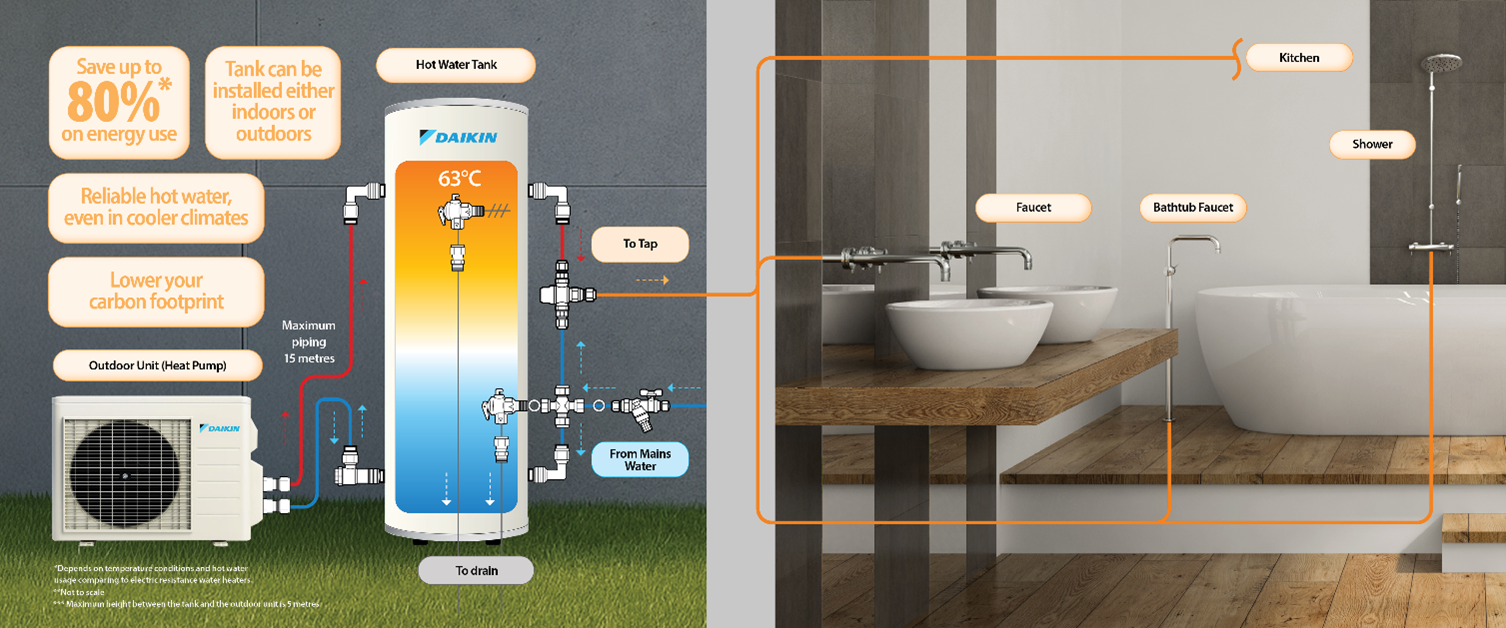
Daikin CO2 Hot Water Pump
Daikin’s CO2 hot water heat pump uses CO2 as a natural refrigerant with ultra‑low global warming potential, helping reduce the carbon footprint of household hot water while maintaining strong performance in cooler weather. By extracting heat from the air, the system can provide the same volume of hot water while using significantly less energy than traditional electric or gas water heaters.
The outdoor unit is engineered for durability with weather‑resistant construction and a compact footprint, making it suitable for typical Christchurch sections and coastal Canterbury locations. Integrated controls with LCD display and smart operating modes (such as timers and boost functions) help households align hot water production with usage patterns and potential off‑peak tariffs.

Gree WHIO Inverter Hot Water Heat Pump
The Gree WHIO is an integrated hot water heat pump using R290 refrigerant, offering an impressive quoted COP of 5.4 for very efficient hot water production. Inverter technology allows the system to ramp output up or down to match demand, improving comfort and further reducing power consumption compared with fixed‑speed designs.
Gree backs the WHIO range with a seven‑year parts and labour warranty in New Zealand, reflecting confidence in long‑term reliability and build quality. The WHIO is well suited to homeowners seeking to replace a traditional cylinder with a modern, high‑efficiency integrated unit that can be optimised for Canterbury’s climate and electricity pricing.
Mitsubishi Electric Ecodan Hot Water and Central Heating
Mitsubishi Electric’s Ecodan system combines hot water production with optional whole‑home central heating through radiators or underfloor loops, all powered by a single outdoor heat pump unit. Depending on the configuration, Ecodan can be supplied as a packaged cylinder system or a hydrobox that connects to a compatible third‑party cylinder for retrofit projects.
Ecodan systems include Smart Energy Control with energy monitoring, advanced weather compensation and flexible scheduling to maximise efficiency across Canterbury’s changing seasons. Features such as scale‑management technology support reliable operation even in harder water areas in New Zealand, helping maintain performance over time.
New Build and Renovation Options
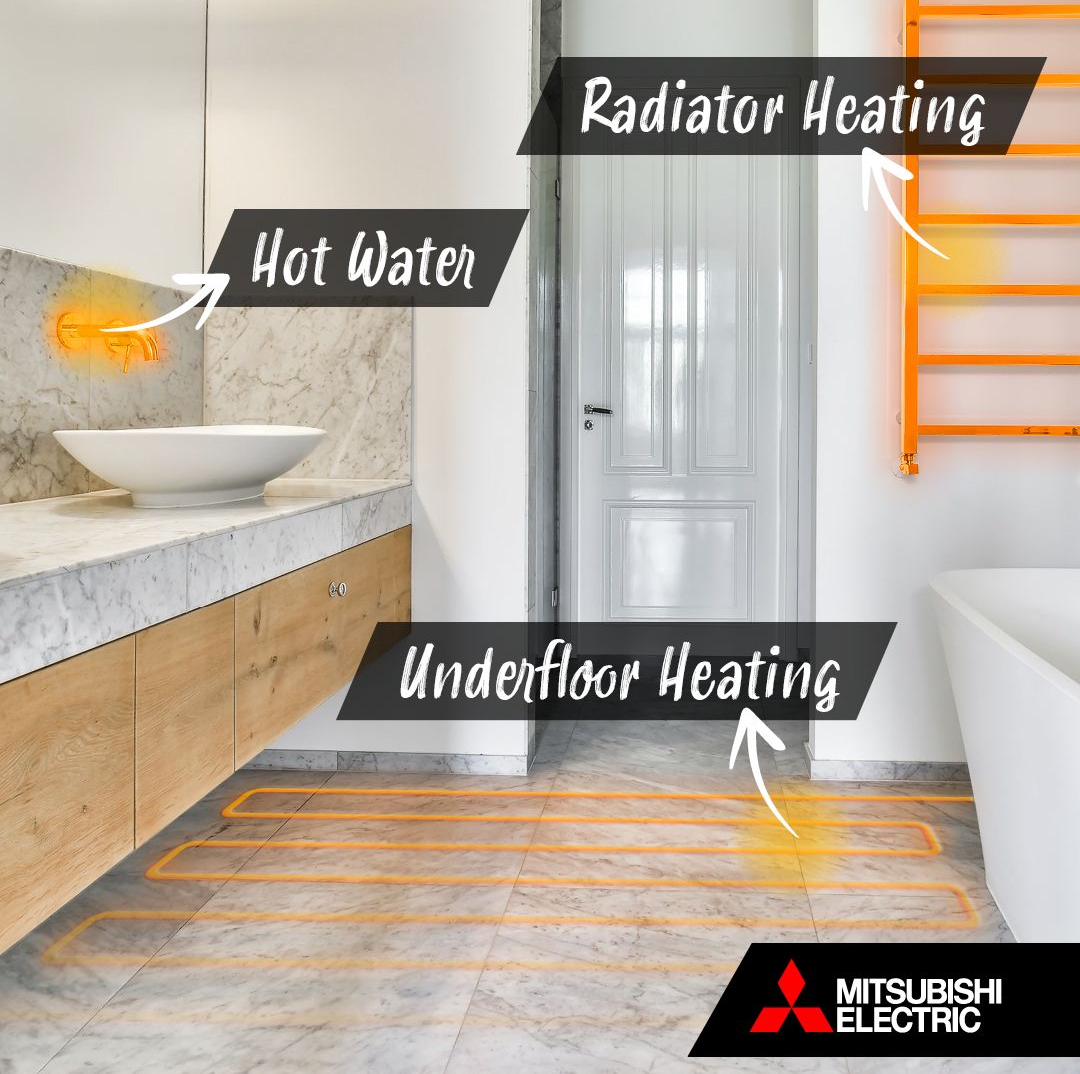
For new homes, The Heat Pump People can design systems that integrate underfloor heating circuits, radiators and domestic hot water into one cohesive hydronic solution, typically using Ecodan as the central plant. This approach provides quiet, even heat and can increase comfort and resale value while keeping operating costs low.
For renovations or cylinder upgrades, solutions like Daikin CO2 or Gree WHIO can be installed primarily for hot water, with Ecodan hydrobox options available when homeowners wish to add hydronic heating now or in the future. The team can inspect existing cylinders and pipework to determine whether they are suitable for connection or should be replaced as part of a wider efficiency upgrade.
Smart Control, Solar and Off-Peak Power
Many hot water heat pumps can be configured to prioritise operation during off‑peak electricity periods, reducing running costs without sacrificing comfort. When combined with solar PV, systems can be scheduled so that much of the hot water heating occurs during sunny periods, effectively storing surplus solar energy in the form of hot water.
Smart controllers and integrated displays make it easy to adjust set‑points, program schedules and review energy usage trends, helping households understand and fine‑tune their system over time. The Heat Pump People can set up and optimise these controls during commissioning and provide guidance on best‑practice settings for Christchurch and Canterbury conditions.
Talk to The Heat Pump People About a Hot Water Solution for Your Home
The Heat Pump People supply, install and service Daikin CO2, Gree WHIO and Mitsubishi Electric Ecodan hot water heat pumps for Christchurch and Canterbury homes.
Want to start saving money on your electricity bill and enjoy year-round comfort? Contact us on 03 366 1823 today for a free, no obligation quote* on hot water heat pump solutions for your home.
*Free quote is for a consultation with our estimator to discuss heat pump options (charges will apply for a technician to diagnose a fault on an existing system).